How to Start Meal Prepping: A Beginner's Guide
Learn how to meal prep like a pro with our comprehensive guide. Save time, eat healthier, and simplify your week with these actionable tips.
How to Start Meal Prepping: A Beginner's Guide
).
What Meal Prepping Actually Means
Meal prepping is not about turning into a kitchen ninja or spending hours in the kitchen every day. It’s about simplifying your life by preparing meals ahead of time so you have healthy, delicious options ready to go when hunger strikes.
Think of it like this: You’re packing lunches for yourself instead of scrambling at the last minute. The difference is, your doing it on a larger scale—maybe 3–5 days at a time—and in a way that fits your schedule and preferences.
Why Meal Prepping Is Worth It
Meal prepping isn’t just about saving time. It’s also about making healthier choices by default. When you have prepped meals ready to go, you’re less likely to reach for fast food or junky snacks out of convenience.
And let’s not forget the cost savings! Eating out can add up quickly—$10-20 per meal is common (National Restaurant Association, 2024). By cooking at home and prepping ahead, you can meaningfully cut your weekly food bill — the USDA Economic Research Service finds the average American household spends roughly $3,400 per year on food away from home, per the BLS Consumer Expenditure Survey (2023), and home-cooked meals cost roughly 3–5x less per serving than restaurant meals (Wolfson JA, Bleich SN, "Is cooking at home associated with better diet quality or weight-loss intention?," Public Health Nutr. 2015;18(8):1397-1406) — the BLS Consumer Expenditure Survey tracks aggregate household spending, not per-serving cost breakdowns.
Step 1: Plan Your Meals
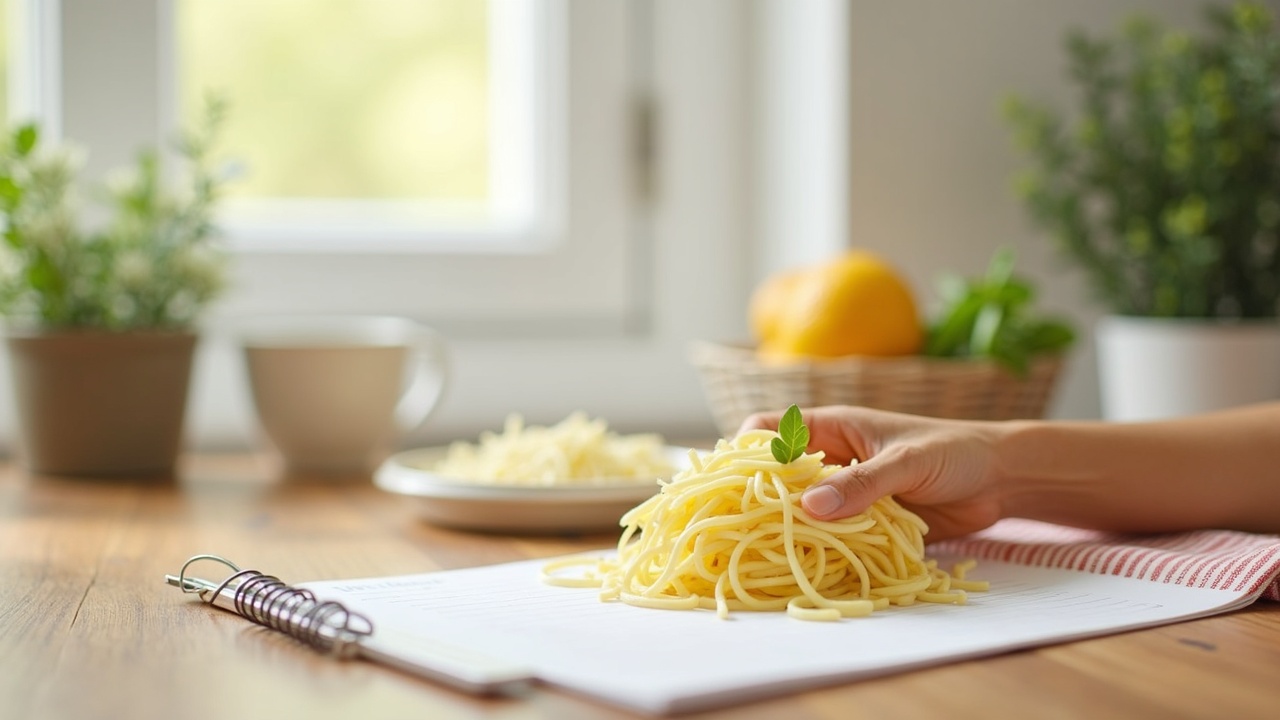
Planning is the foundation of successful meal prepping. Without a plan, you’re just throwing ingredients in pots and pans without a clear direction. Here’s how to do it right:
Decide on Your Goals
Are you meal prepping to lose weight, gain muscle, or simply eat healthier? Knowing your goals will help you choose the right recipes and portion sizes. For example, if you’re trying to build muscle, you’ll want meals higher in protein and calories. If you’re focusing on weight loss, you might prioritize lower-calorie options with plenty of veggies.
Choose Your Recipes
[ARTICLE TRUNCATED — conclusion paragraph is incomplete and unpublishable]mall—don’t overwhelm yourself with complicated recipes. Look for simple, versatile dishes that can be made in bulk. For example:
- Grilled chicken breast with roasted vegetables (like broccoli, bell peppers, and zucchini).
- Slow-cooker chili with lean ground beef or turkey.
- Baked salmon with quinoa and steamed greens.
Make a Grocery List
Once you’ve chosen your recipes, make a list of the ingredients you’ll need. This helps you stay organized and avoid impulse buys at the store. Remember to buy in bulk for items like grains, proteins, and frozen veggies—they’re often cheaper and last longer.
Step 2: Shop Smart
Grocery shopping can feel overwhelming when you’re meal prepping, but with a little strategy, it’s manageable. Here are some tips:
Stick to Your List
This might seem obvious, but it’s easy to get sidetracked in the aisles. Stick to your list and avoid buying things that aren’t part of your plan. This helps you stay on budget and prevents food waste.
Buy in Bulk Where It Makes Sense
Items like rice, oats, nuts, and dried beans are great to buy in bulk—they’re affordable and have a long shelf life. Just make sure you have the storage space for them.
Don’t Forget Snacks
Meal prepping isn’t just about main meals—snacks matter too! Pre-portioned snacks like trail mix, baby carrots, or hard-boiled eggs can keep you fueled throughout the day without resorting to unhealthy options.
Step 3: Prep Your Food
Now comes the fun part—the actual cooking and prepping. But don’t worry—it’s not as time-consuming as it sounds. With a little organization, you can get everything done in one or two sessions per week.
Batch Cook Proteins
Proteins are the cornerstone of any meal-prepped diet. Think chicken breast, turkey, salmon, eggs, or tofu. The key is to cook them in bulk—poultry to an internal temperature of 165°F and fish to 145°F (USDA Food Safety and Inspection Service) so they’re ready to use throughout the week. For example:
- Bake a big batch of seasoned chicken breasts on Sunday. Shred some for salads and sandwiches, and keep the rest whole for meals.
- Grill or pan-fry salmon fillets and store them in meal prep containers with sides like quinoa and steamed broccoli.
Cook Your Carbs
Carbs are your energy source, so don’t skimp on them! Opt for whole grains like brown rice, quinoa, or oats. These can be cooked in large batches and portioned out for meals throughout the week.
For example:
- Make a big pot of quinoa on Sunday and use it as a base for salads, stir-fries, or grain bowls all week long.
Prep Your Veggies
Vegetables are the unsung heroes of meal prepping—they add color, flavor, and nutrients to your meals without taking up too much time. Here’s how to handle them:
- Roast a variety of veggies (like broccoli, Brussels sprouts, and sweet potatoes) on Sunday. Use them as side dishes or mix them into salads throughout the week.
- Chop up raw veggies like bell peppers, carrots, and cucumbers for snacking or adding to meals.
Step 4: Store Everything Properly
Proper storage is key to keeping your prepped meals fresh and delicious. Here’s what you need to know:
Use the Right Containers
Invest in reusable meal prep containers with tight-fitting lids. They’re airtight, microwave-safe, and dishwasher-safe—perfect for storing your food. Avoid using plastic wrap or bags, as they can lead to leaks and waste.
Label Everything
Write down what’s inside each container and the date you prepped it. This helps you keep track of what you have and ensures nothing goes to waste.
Store in the Fridge or Freezer
Most meal-prepped foods will stay fresh in the fridge for 3–5 days. If you want your meals to last longer, store them in the freezer—most cooked dishes maintain the best quality frozen for 2–3 months; the USDA notes food remains safe indefinitely at 0°F (−18°C) but texture and flavor degrade after 3 months for most cooked proteins, up to 3 months for cooked fish, and up to 2–3 months for soups and stews (USDA Food Keeper). Just make sure to thaw frozen meals overnight in the fridge before reheating.
Step 5: Reheating and Enjoying
Reheating your prepped meals should be easy and stress-free. Here are some tips:
Microwave or Air Fryer
The microwave is a quick way to reheat meals, but it can sometimes dry them out. To keep your food moist, add a splash of water or broth before microwaving. Alternatively, use an air fryer for crispy textures—perfect for chicken tenders or roasted veggies.
Slow Cooker (Optional)
If you have time in the morning, you can transfer your meal from its prep container into a slow cooker insert with some extra liquid and let it simmer until lunchtime. This works especially well for soups and stews.
The Canopy Brief
One financial insight. One career move. One tool worth knowing. Every Monday. 5 minutes. No fluff.
Free. No spam. Unsubscribe anytime.
Canopy Picks
Products we've vetted and recommend. We may earn a commission at no extra cost to you.
-
Optimum Nutrition Whey Protein
Gold standard whey — 24g protein per scoop, minimal fillers. -
Magnesium Glycinate
Doctor-recommended form for sleep quality and recovery. -
LectroFan White Noise Machine
Non-looping white noise for deeper, uninterrupted sleep. -
Why We Sleep by Matthew Walker
The science of sleep — and why it's your most important health tool.
Found an error? At Canopy Press, accuracy comes first. If you spot a claim that needs checking, let us know at [email protected] — we'll verify and correct it immediately.
Sources
- Bureau of Labor Statistics (BLS)
- National Restaurant Association
- USDA Food Safety and Inspection Service
- USDA Food Keeper
Frequently Asked Questions
How much time does meal prepping actually save?
Meal prepping consolidates grocery shopping to one or two trips and eliminates nightly cooking decisions — most practitioners report saving 3–5 hours per week — an estimate derived from BLS American Time Use Survey (2023) data showing 37 minutes of average daily food preparation; consolidating nightly cooking into one or two batch sessions can reclaim roughly that amount across a week. That’s like getting an extra day off every month!
Can I meal prep if I’m vegetarian or vegan?
Absolutely! Meal prepping works for any dietary preference. Just focus on plant-based proteins like tofu, tempeh, lentils, and chickpeas, along with plenty of veggies, grains, and healthy fats.
What’s the best way to meal prep on a budget?
Buy in bulk, use seasonal produce, and plan meals around cheaper cuts of meat (like ground turkey or chicken thighs, which average $2–4/lb versus $4–6/lb for boneless skinless breast, per USDA Agricultural Marketing Service retail price data). You can also repurpose leftovers into new meals—like turning roasted veggies into a stir-fry or adding them to soup.
What if I don’t like eating the same thing every day?
The key is variety! Mix and match proteins, carbs, and veggies in different combinations. For example, use grilled chicken one day and salmon the next. Or swap out quinoa for brown rice in some meals. The possibilities are endless!
Final Thoughts
Meal prepping doesn’t have to be complicated or time-consuming. With a little planning and organization, you can enjoy healthy, delicious meals all week long without the stress of daily cooking. Start small, experiment with different recipes, and find what works best for your lifestyle. Your future self will thank you.
Recommended reading: Best For
*This article is for informational purposes only. Consult a registered dietitian or healthcare provider before making significant changes to your diet, especially if you have a medical condition or specific nutritional needs.*
Explore by topic