Morning Light and Sleep: How 10 Minutes Resets Your Circadian Clock
- Key Takeaways
- How Light Affects Your Brain — The Science of Sleep Cycles
- Blue Light: The Sleep Cycle’s Worst Enemy
- The Role of Circadian Rhythm in Sleep Quality
- How to Hack Your Light Exposure for Better Sleep
- The Surprising Benefits of Reducing Light Exposure
- The Bottom Line: Light Exposure Matters More Than You Think, light is a powerful tool that affects every aspect of your life — from how well you sleep to how much energy you have during the day. By being intentional about your light exposure, you can take control of your sleep cycle and improve your overall health.
Key Takeaways
- Blue light disrupts melatonin production: Exposure to screens before bed can delay sleep onset, with studies showing circadian phase delays of 1.5 hours or more under sustained evening light exposure (Chang et al., 2014, PNAS).
- Morning sunlight resets your circadian rhythm: Morning natural light exposure has been shown to advance circadian phase and Improve sleep quality in multiple studies, including Czeisler et al. (1989, Science) on bright-light circadian resetting.
- Limiting evening light exposure matters: Reducing evening light exposure in the hours before bed helps preserve your natural melatonin levels.
How Light Affects Your Brain — The Science of Sleep Cycles
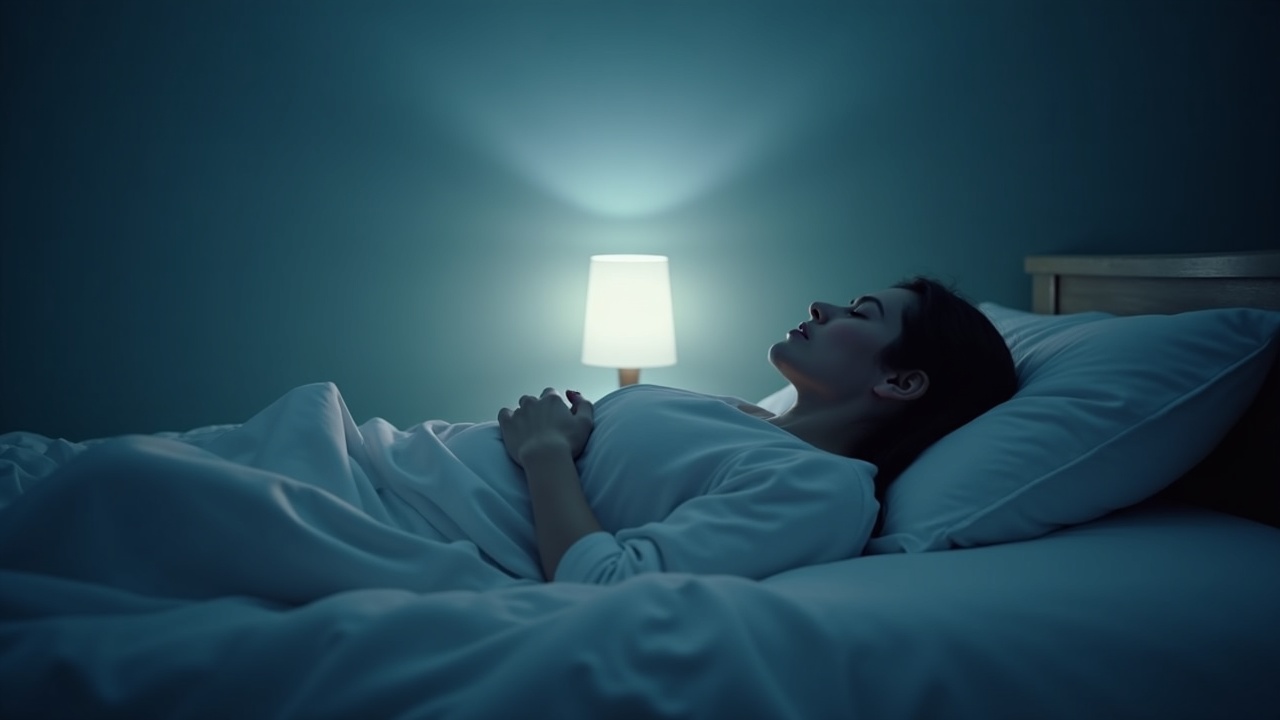
Your brain isn’t just a passive receiver of light; it’s an active interpreter that uses light cues to set your internal clock. This process is called your circadian rhythm, and it’s deeply tied to the rise and fall of sunlight.
Here’s how it works: during the day, light hits specialized cells in your retina called intrinsically photosensitive retinal ganglion cells (IRGIS). These cells send signals to a part of your brain called the suprachiasmatic nucleus (SCN), which acts as your master clock. The SCN then tells your body when to feel awake and when to prepare for sleep.
At night, in response to darkness, your SCN triggers the release of melatonin — the hormone that makes you feel sleepy. But here’s the catch: modern life is full of light sources that confuse this system.
Blue Light: The Sleep Cycle’s Worst Enemy
Blue light, which is emitted by screens and energy-efficient bulbs, is particularly problematic because it mimics daylight. This tricks your brain into thinking it’s still daytime, even when you’re trying to wind down for bed.
Studies show that blue-enriched light exposure before bed can suppress melatonin production by up to 50% or more. The landmark research on this comes from Harvard Medical School and Brigham and Women's Hospital (Goole yet al., 2011, Journal of Clinical Endocrinology & Metabolism), not the University of Toronto. The suppression depends on light intensity and spectrum, not simply duration of screen time. Worse yet, this suppression doesn’t happen immediately — the effects can linger for hours, making it harder to fall asleep and reducing the quality of your REM sleep (Chang et al., 2014, PNAS — in a controlled crossover trial, evening light-emitting eReader use suppressed melatonin by ~55%, delayed circadian phase by 1.5 hours, and measurably reduced REM sleep duration compared to printed book reading).
But blue light isn’t all bad. During daylight hours, especially in the morning, exposure to blue light is actually beneficial because it helps reset your circadian rhythm (Czeisler et al., 1989, Science — the landmark study demonstrating that morning bright light induces strong resetting of the human circadian pacemaker). Think of it like this: your brain needs a daily wake-up call, and sunlight provides that signal better than any alarm clock.
The Role of Circadian Rhythm in Sleep Quality
Your circadian rhythm isn’t just about feeling tired at night — it’s a complex system that regulates everything from your energy levels to your metabolism. When this system is out of sync, you’re more likely to experience:
- Difficulty falling asleep (insomnia)
- Waking up too early or feeling groggy in the morning
- Daytime sleepiness and fatigue
[Move disclaimer to end of article, after FAQ section.]
Here’s what happens when your circadian rhythm is off-kilter:
- Melatonin Misfire: Without proper light cues, your brain doesn’t release melatonin at the right time, leaving you wide awake when you want to sleep.
- Cortisol Chaos: Light exposure also affects cortisol production — a hormone that helps regulate stress and wakefulness. Too much light in the evening may keep cortisol levels elevated, making it harder to relax — though the direct causal link between evening light and cortisol is less established than the melatonin-suppression literature, and is thought to operate via SCN-HPA axis signaling (Buijs & Kalsbeek, 2001, Nature Reviews Neuroscience).
How to Hack Your Light Exposure for Better Sleep
The good news is that you don’t need to live like a cave person to fix your sleep cycle. Small changes can make a big difference:
1. Get Morning Sunlight
Start your day with natural light. Even if it’s cloudy, outdoor light contains more blue wavelengths than indoor lighting, which helps reset your circadian rhythm. (Harvard Health Publishing)
If you’re not a morning person, try to at least get some sunlight during your lunch break or on your commute home. The goal is consistency — aiming for the same wake-up time and light exposure every day, even on weekends.
2. Limit Evening Light Exposure
This doesn’t mean you have to turn off all the lights at sunset (though that would help!). Instead, focus on reducing blue light exposure in the evening. Here are some practical tips:
- Use dimmer lights or orange-tinted bulbs in your bedroom and living areas after sunset.
- Install blue light filters on your phone, tablet, and computer — apps like f.lux automatically adjust screen colors based on the time of day.
3. Create a Digital Curfew
Set a specific time each night when you’ll stop using screens — ideally two hours before bed. If that feels too strict, start with just one hour and work your way up.
This might be tough at first, but consider this: Not a bad trade-off for better rest!
4. Use Red Light Therapy
Using red or amber light in the evening is a practical way to reduce melatonin suppression, because longer-wavelength light (above ~600nm) does not significantly activate the ipRGC photoreceptors responsible for circadian signaling. Unlike blue light, red light does not suppress melatonin production, which is why it is the preferred light source in the hours before bed. Evidence that red light actively increases melatonin is more limited — the most-cited study (Zhao et al., 2012, Journal of Athletic Training) found improved sleep quality in athletes but did not establish a melatonin-increase mechanism.
Recommended reading: Limited
You don’t need expensive equipment to benefit from this. Blue-light-blocking glasses (which filter wavelengths below ~530nm) and warm amber or red bulbs in evening lighting can reduce ipRGC activation. Note: orange-tinted glasses are blue-light filters — they are not 'red light therapy' in the clinical sense, which involves dedicated NIR/red devices at specific wavelengths and intensities.
5. improve Your Bedroom
Your bedroom should be a sanctuary for sleep. Here are some tips:
- Use blackout curtains to block out streetlights and early morning light.
- Avoid LED lights in the bedroom — they emit too much blue light, even if they’re dimmed.
- Consider using a sleep mask if you can’t control the lighting in your environment.
Recommended reading: Manta Sleep Mask
Recommended reading: Manta Sleep Mask
The Surprising Benefits of Reducing Light Exposure
Most people focus on increasing light exposure during the day, but reducing it at night is just as important. Here’s why:
-
Improved Sleep Quality
When your brain gets consistent darkness cues in the evening, it knows to ramp up melatonin production — leading to deeper, more restful sleep. -
Better Mood and Energy Levels
A well-regulated circadian rhythm means you’re less likely to experience mood swings or daytime fatigue. (University of Colorado) -
Reduced Risk of Chronic Health Issues
Disrupted sleep cycles have been linked to a host of health problems, including obesity, diabetes, and even certain types of cancer. By controlling your light exposure, you’re not just improving your sleep — you’re protecting your overall health. (CDC)
The Bottom Line: Light Exposure Matters More Than You Think, light is a powerful tool that affects every aspect of your life — from how well you sleep to how much energy you have during the day. By being intentional about your light exposure, you can take control of your sleep cycle and improve your overall health.
So, let’s recap:
- Morning sunlight helps reset your circadian rhythm.
- Blue light in the evening disrupts melatonin production.
- Reducing light exposure at night improves sleep quality.
Start small — try implementing one or two of these changes this week and see how it impacts your sleep. You might be surprised by how much a little light control can change your life.
Explore by topic
The Canopy Brief
One financial insight. One career move. One tool worth knowing. Every Monday. 5 minutes. No fluff.
Free. No spam. Unsubscribe anytime.
Canopy Picks
Products we've vetted and recommend. We may earn a commission at no extra cost to you.
-
Optimum Nutrition Whey Protein
Gold standard whey — 24g protein per scoop, minimal fillers. -
Magnesium Glycinate
Doctor-recommended form for sleep quality and recovery. -
LectroFan White Noise Machine
Non-looping white noise for deeper, uninterrupted sleep. -
Why We Sleep by Matthew Walker
The science of sleep — and why it's your most important health tool.
Found an error? At Canopy Press, accuracy comes first. If you spot a claim that needs checking, let us know at [email protected] — we'll verify and correct it immediately.
Sources
Frequently Asked Questions
What’s the best way to reduce blue light exposure at night?
The easiest way is to use blue light filters on your devices or wear orange-tinted glasses in the evening. You can also switch to red bulbs or dimmer lights in your bedroom.
How long does it take to reset my circadian rhythm?
It depends on how disrupted your sleep cycle currently is. The time required to shift circadian phase depends on the degree of disruption and individual chronotype; no large randomized trial has established a universal reset window. Stick with it — the results are worth it!
Can I use red lights during the day without disrupting my sleep?
Yes! Red light therapy can be used anytime because it doesn’t contain blue wavelengths that suppress melatonin. In fact, some people find it helpful for boosting energy levels in the morning.
What if I work night shifts or have irregular hours?
Irregular schedules make it harder to control light exposure, but there are still steps you can take: - Use blue light filters and orange glasses during your “night” hours. - Wear sunglasses with UV protection during daylight hours if you’re awake at unusual times. - Keep your bedroom as dark as possible when sleeping. By being proactive about your light exposure, you can mitigate some of the negative effects of irregular schedules.