Probiotic vs. Prebiotic: Which Should You Take?
Americans spend $12B a year on probiotics — but most strains leave the gut within days. The cheaper, better-evidenced fix is sitting in your produce aisle.
Key Takeaways
- Most over-the-counter probiotic strains don't permanently colonize the gut — a 2025 BMC Medicine meta-analysis of 47 studies found the microbiome drifts back to baseline within weeks of stopping.
- The American Gastroenterological Association's 2020 guideline only recommends probiotics in three narrow scenarios: C. difficile prevention during antibiotics, necrotizing enterocolitis in preterm infants, and pouchitis after ulcerative colitis surgery.
- The daily math favors food: Seed's Daily Synbiotic runs $606/year and Culturelle about $0.77/day, while NOW Foods inulin powder costs roughly $0.13 per serving and a medium onion delivers 3g of fructans for about $0.30.
- Strain specificity beats generic blends — B. infantis 35624 improved IBS symptoms by 34% versus placebo in a 2024 RCT, while a generic 10-strain blend with no trial backing offers no comparable evidence.
Why Your Gut Might Not Be Listening
Americans will spend over twelve billion dollars on probiotic supplements this year. Most of those bacteria pass through the gut and exit within days, with the microbiome returning to baseline a few weeks after the bottle runs out. The cheaper, better-evidenced alternative is sitting in the produce aisle — and almost nobody markets it, because you can't slap a 10-billion-CFU label on an onion.
Most over-the-counter probiotic strains never set up shop. They show up in stool samples for a few days, they leave, and your microbiome drifts back to baseline within weeks of stopping. Prebiotics — the fibers that feed the bacteria already living in you — tend to produce more durable changes for less money. And the cheapest, best-evidenced prebiotics aren't supplements at all. They're onions, garlic, oats, and bananas.
This article is informational, not medical advice. Consult your healthcare provider before starting any supplement, especially if you have irritable bowel syndrome (IBS), small intestinal bacterial overgrowth (SIBO), or are immunocompromised.
Key Takeaways:
- Most probiotic strains don't permanently colonize your gut — benefits stop when you stop taking them.
- Prebiotic fibers feed your existing bacteria, producing more durable shifts in microbiome composition.
- Food-based prebiotics (onions, garlic, oats, bananas) are cheaper and better-studied than most supplements.
- Probiotics have strong evidence in three narrow scenarios; most general "gut health" marketing doesn't apply.
What Are Probiotics, Prebiotics, and Synbiotics?
A quick clarification, because the marketing has muddied the terms:
- Probiotics are live microorganisms — specific strains like Lactobacillus rhamnosus GG or Bifidobacterium infantis 35624 — that may confer health benefits in adequate amounts, per the International Scientific Association for Probiotics and Prebiotics.
- Prebiotics are non-digestible fibers such as inulin, fructooligosaccharides (FOS), and galactooligosaccharides (GOS) that feed beneficial gut bacteria. They contain no live organisms — they're food for microbes you already have, also per ISAPP.
- Synbiotics combine the two. Seed's Daily Synbiotic, for example, pairs 24 probiotic strains with prebiotic fibers in a single capsule.
Strain specificity matters more than the labels admit. "Probiotics" as a category is almost meaningless. L. rhamnosus GG has evidence for antibiotic-associated diarrhea. B. infantis 35624 has evidence for IBS. A generic "10-strain blend" backed by no specific trials is just expensive yogurt without the yogurt.
Which Actually Works? Evidence From Clinical Trials
Probiotics:
- Strain-specific benefits. A 2024 randomized controlled trial (RCT) found Bifidobacterium infantis 35624 improved global IBS symptoms by 34% versus placebo, reported in Frontiers in Nutrition.
- Limited long-term impact. A 2025 meta-analysis of 47 studies in 1,068 healthy adults found probiotic supplementation produced inconclusive effects on gut microbiota diversity, published in BMC Medicine.
Prebiotics:
- Metabolic effects. Inulin supplementation reduced glucose excursions during an oral glucose tolerance test in a 4-week trial, via PubMed Central.
- Microbiome shifts. Inulin-type fructans consistently increase Bifidobacterium abundance in controlled trials, with effect sizes that depend on baseline diet and dose, reviewed in the European Journal of Nutrition.
The American Gastroenterological Association's 2020 clinical guideline34729-6/fulltext) found sufficient evidence to recommend probiotics in only three scenarios: C. difficile prevention during antibiotic use, necrotizing enterocolitis in preterm infants, and pouchitis after ulcerative colitis surgery. For IBS, general digestion, or immunity, the AGA didn't issue a recommendation.
Recommended reading: Limited
Cost: Running the Daily Math
Daily cost matters when you're taking something for years. Pulling prices from manufacturer pages and Amazon listings:
Culturelle works out to roughly seventy-seven cents a day — about twenty-three dollars for a thirty-capsule bottle on Amazon. Seed's Daily Synbiotic, priced on seed.com, runs $1.66 a day, or $606 a year. A pound of NOW Foods inulin powder costs around twelve dollars on Amazon and delivers ninety servings — roughly thirteen cents per serving. One medium onion costs about thirty cents, delivers three grams of fructans, and leaves you with most of an onion.
Swap Seed's $606/year for a daily serving of whole-food prebiotics — a half-cup of oats, half an onion in dinner, a slightly green banana — and you're spending pennies for a wider range of fibers that feed different bacterial populations. The dollar-per-effect math favors food, then powdered prebiotics, then strain-specific probiotics for narrow clinical use. Generic probiotic blends come in a distant last.
The Food-First Case
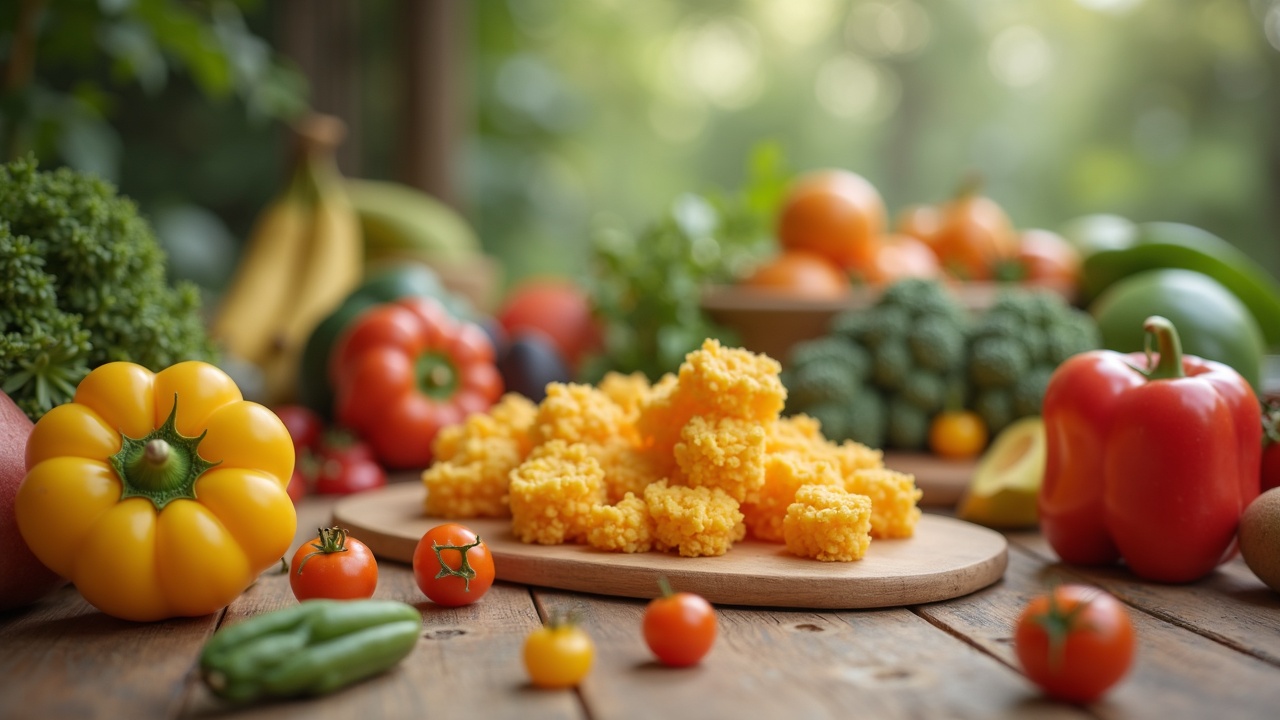
The cheapest prebiotic intervention is the one in your produce drawer. Per the Monash University FODMAP database, high-prebiotic foods include:
- Onions, garlic, leeks — concentrated fructans
- Oats and barley — beta-glucans
- Bananas (slightly underripe) — resistant starch
- Asparagus, Jerusalem artichokes, chicory root — inulin
- Legumes — galactooligosaccharides
These deliver fiber diversity no supplement matches. A spoonful of inulin powder feeds one type of bacteria. A varied plant diet feeds dozens. One caveat: if you have IBS, SIBO, or follow a low-FODMAP plan, several of these foods can trigger symptoms. Introduce them slowly and stop if anything flares.
Who Should Take What
Consider probiotics if:
- You're starting antibiotics — L. rhamnosus GG or Saccharomyces boulardii reduce antibiotic-associated diarrhea, per the AGA34729-6/fulltext).
- You have IBS and want to try a strain with evidence — B. infantis 35624 is the most-studied option.
- Your doctor recommended a specific strain for a specific condition.
Consider prebiotics — preferably from food — if:
- You want broad, sustainable microbiome support without a daily pill.
- Your current fiber intake is below 25-30g/day. Most American adults eat about half that, per CDC NHANES data.
- You're aiming for general gut health rather than treating a diagnosed condition.
If you're deciding what to actually put in your cart, our guide to which probiotics and prebiotics are worth buying in 2026.
Verdict
For most readers chasing general gut health, prebiotics — preferably from food — win this comparison. The dollar-per-effect math is decisive: a varied plant diet of onions, garlic, oats, and slightly green bananas feeds dozens of bacterial populations for pennies, while a $606/year synbiotic produces changes that vanish weeks after the bottle runs out. A spoonful of inulin powder feeds one type of bacteria; a Monash-listed mix of fructans, beta-glucans, resistant starch, and GOS feeds many.
Probiotics earn their price tag in a narrow set of cases. If you're starting antibiotics, have IBS and want to try B. infantis 35624, or your doctor named a specific strain for a specific condition, the evidence supports a targeted purchase. Outside those scenarios, the AGA didn't issue a recommendation — and the data shows generic multi-strain blends don't meaningfully shift microbiome diversity in healthy adults.
Decision rule: if you have a diagnosed condition on the AGA's short list, buy the specific strain with trial evidence; otherwise, eat the onion and skip the bottle.
Frequently Asked Questions
Do probiotics permanently change your gut bacteria?
No. A 2025 BMC Medicine meta-analysis of forty-seven studies found that most strains don't establish permanent colonies — the microbiome drifts back to baseline within weeks of stopping. That's exactly why the dollar-a-day math matters: you're paying for an ongoing intervention, not a one-time fix.
Are prebiotics safe for people with IBS or FODMAP sensitivities?
They commonly cause gas, bloating, and cramping — especially inulin and FOS at therapeutic doses of 5g or more daily. Start at 1-2g per day and ramp over 2-3 weeks while staying hydrated. If you have IBS, SIBO, or follow a low-FODMAP diet, talk to a gastroenterologist first, since inulin and FOS are high-FODMAP and can flare symptoms.
How do I know if I need a probiotic or prebiotic supplement?
If you have a condition the AGA lists evidence for, ask your doctor about a strain-specific probiotic. If you want general gut support, add fiber-rich plants and fermented foods like kimchi, sauerkraut, or kefir before reaching for a bottle.
Can I take both at once?
Yes — that's what a synbiotic is. Whether the combination outperforms either alone depends on the strains, the fibers, and your goal. Evidence for synbiotic blends is still thinner than for single-target interventions.
Sources
- American Gastroenterological Association 2020 Probiotics Guidelines34729-6/fulltext)
- BMC Medicine 2025 meta-analysis on probiotics in healthy adults
- Frontiers in Nutrition: B. infantis 35624 IBS trial
- PubMed Central: Inulin and glucose tolerance trial
- European Journal of Nutrition: Inulin-type fructans review
- Monash University FODMAP database
- International Scientific Association for Probiotics and Prebiotics
- CDC NHANES dietary intake data
Found an error? Let us know at [email protected] — we'll verify and correct it immediately.
The Canopy Brief
One financial insight. One career move. One tool worth knowing. Every Monday. 5 minutes. No fluff.
Free. No spam. Unsubscribe anytime.
Canopy Picks
Products we've vetted and recommend. We may earn a commission at no extra cost to you.
-
Optimum Nutrition Whey Protein
Gold standard whey — 24g protein per scoop, minimal fillers. -
Magnesium Glycinate
Doctor-recommended form for sleep quality and recovery. -
LectroFan White Noise Machine
Non-looping white noise for deeper, uninterrupted sleep. -
Why We Sleep by Matthew Walker
The science of sleep — and why it's your most important health tool.
Found an error? At Canopy Press, accuracy comes first. If you spot a claim that needs checking, let us know at [email protected] — we'll verify and correct it immediately.
Found an error? At Canopy Press, accuracy comes first. If you spot a claim that needs checking, let us know at [email protected] — we'll verify and correct it immediately.
Sources
- Probiotics Market Report 2025-2030 — MarketsandMarkets
- Probiotic Dietary Supplements Market — Mordor Intelligence
- Prebiotics Market Size — Grand View Research
- Probiotics — Health Professional Fact Sheet (NIH ODS)
- Effect of probiotic supplementation on gut microbiota diversity — BMC Medicine (2025 meta-analysis)
- Differential effects of inulin and FOS on gut microbiota — PMC 2025 RCT
- Research status and development trends of probiotics in clinical applications — Frontiers in Nutrition 2025
- 12 Best Probiotics (2026): RD Reviewed — Fortune
- 6 Best Probiotic Supplements for 2026 — Healthline
- Culturelle vs. Align: Best Probiotic Supplement — BestReviews
Explore by topic