Turbotax vs H&R Block vs Freetaxusa: Best Pick by Situation
Best-for-money verdict: a self-employed filer with one state return pays about $203 at TurboTax versus ~$16 at FreeTaxUSA — same forms, same refund, a 12x gap.


Best-for-money verdict: a self-employed filer with one state return pays about $203 at TurboTax versus ~$16 at FreeTaxUSA — same forms, same refund, a 12x gap.

Substack quietly skims ~10% off paid subs — clear $100K and that's $10,000 a year gone. beehiiv and Ghost charge 0%. Here's exactly where the math flips.

The same Schedule C costs $0 or $218 depending on the software — yet the 2026 Social Security wage-base jump quietly adds $1,042 to every high-earning freelancer's tax bill.

Two engineers, identical work — one clears $150K in SF, the other $135K near Austin. That $15K ZIP-code gap compounds to $80K over five years. Here's how to neutralize it before you name a number.
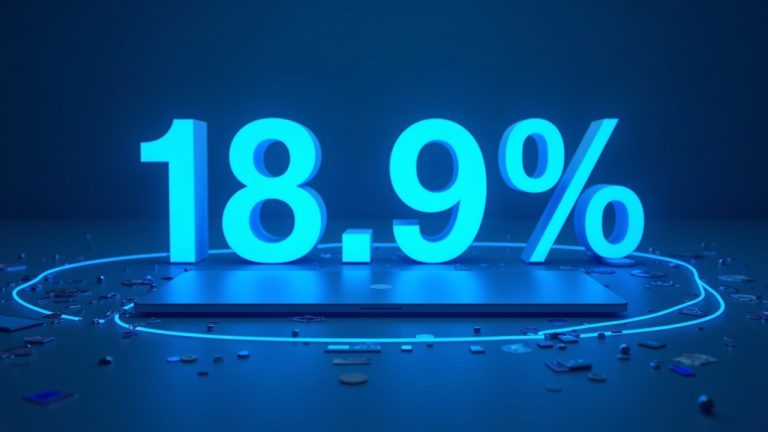
Substack's 10% fee is only half of it. Stack Stripe on top and a $5 newsletter with 2,000 subscribers loses $1,890 a month — 18.9% of gross. Here's where the break-even flips.

Threema requires no phone number and runs its servers in Switzerland, outside Five Eyes. Signal and Threema encrypt everything by default — Telegram only in opt-in Secret Chats. Pick by threat model, not popularity.

Over-saving is the quiet risk nobody warns you about: at 3% inflation, $1 million in cash loses close to 60% of its buying power — the exact tension between FIRE and "Die With Zero.

Savings Rate vs. Salary: Which Actually Builds Wealth Faster? A household that saves 50% of its income can reach financial independence in about 17 years. A household that saves 10% needs about 51 years — and that math barely cares what the salary is, according to Mr. Money Mustache's widely cited model built on a...

If you earn $150,000 or more and still feel like you're one missed paycheck from trouble, you've probably wondered whether the headlines about broke high earners describe you — or whether the statistics are as shaky as they sound. Here's what the data actually shows, and which numbers deserve your trust. Depending on which study...

_DATA_AS_OF: July 2026 Key Takeaways The real money is in big, rare decisions, not small daily ones. Housing, transport, and debt dwarf discretionary spending — so a bad car or mortgage negotiation costs more than a decade of lattes. Loss aversion is the priciest investing trap. The average equity investor trailed the S&P 500 by...