Technology
AI tools, automation, and productivity software

The Tech Stack Every Solo Publisher Needs in 2026
Substack quietly skims ~10% off paid subs — clear $100K and that's $10,000 a year gone. beehiiv and Ghost charge 0%. Here's exactly where the math flips.
Best Tools for Running a Solo Media Business in 2026
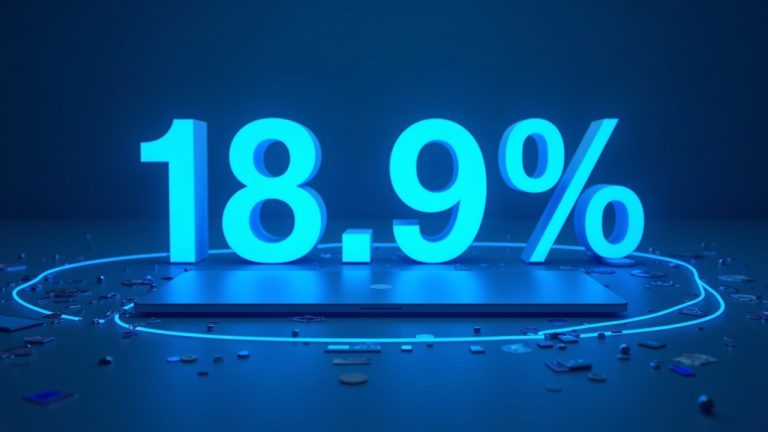
Substack's 10% fee is only half of it. Stack Stripe on top and a $5 newsletter with 2,000 subscribers loses $1,890 a month — 18.9% of gross. Here's where the break-even flips.

Signal vs Telegram vs Threema: Best App by Threat Model
Threema requires no phone number and runs its servers in Switzerland, outside Five Eyes. Signal and Threema encrypt everything by default — Telegram only in opt-in Secret Chats. Pick by threat model, not popularity.

Should You Ditch Whatsapp for a Private Messenger?
Signal runs the world's most trusted encrypted messenger on ~$50M a year, no ads. Yet for most of WhatsApp's 3 billion users, the reason they won't switch isn't encryption—it's chat history.
The AI Productivity Stack: Choose, Apply, Protect
A 3-layer framework for getting real value from AI: choose the right tool at the right price, apply it to your highest-frequency work, and protect your voice and data.
Brave vs Firefox vs Mullvad: Who Stops Fingerprinting?
Mullvad scores lowest on the leaderboard (108/156) — yet it may be the only browser that survives a tracker actually hunting you. The top score isn't the safe pick.

1Password vs Bitwarden vs Proton Pass for Families
Bitwarden Families covers 6 people for $47.88/year; 1Password covers just 5 for $71.88 — that's 80% more per person, not the 50% the sticker prices suggest.

2026 Content Stack: Ghost + Frase + Kinsta Save $11,700/Year
Picture a 1,000-subscriber paid newsletter on Substack at $10/month. That's $120,000 a year in revenue — and Substack pockets $12,000 of it. Move the same all-paid list to Ghost Pro at $25/month and the platform takes $300. That's the high end of the math; most publications run a

Echo Show 15 vs Nest Hub Max: Best for Home Office?
The Echo Show 15's screen has 131% more area than the Nest Hub Max — but neither device runs Zoom, which reshapes the choice for any home-office setup.

Remarkable Paper Pro vs Kindle Scribe: Which Wins?
Kindle Scribe runs 12 weeks on a charge; reMarkable Paper Pro lasts two. Color e-ink with a stylus has exactly one option — and a $379 five-year price gap to justify.
The 8 Best Robot Vacuums for Pet Hair in 2026
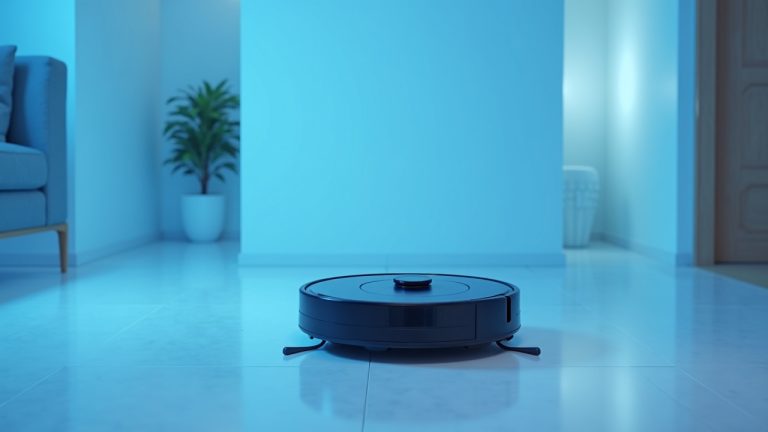
Roborock filters and mop pads run about $180 over three years, while iRobot's sealed j-series bin keeps consumables under $90 — and brush design matters more than suction Pa.

Every Major Note-Taking App Compared 2026: Notion vs Obsidian vs the Rest
Notion turned its $20/seat workspace into an AI agent hub; Obsidian went fully free and local. They're no longer the same product — which changes who should pick which.