Meditation vs Exercise for Stress: What Studies Found
Exercise wins for how stressed you *feel* (−0.42 vs meditation's 0.38), but it can spike cortisol 30 minutes later — the hormone stress is made of. They're two contests with different winners.
Meditation vs Exercise for Stress: What Studies Found — A Guide for the Time-Poor and Frazzled
If you've got 30 minutes a day to spend on your stress and you want to know whether to spend it sweating or sitting still, this is for you. The honest answer isn't "do both" — it's that the two do different jobs, and picking wrong wastes the one resource you're short on: time.
Here's the tension. On the symptom scores most people actually care about — how anxious and low you feel — exercise beats meditation. A 2023 umbrella review in the British Journal of Sports Medicine pooling 97 reviews found a median standardized mean difference (SMD) of −0.43 for depression and −0.42 for anxiety (British Journal of Sports Medicine). Meditation's effects, from the landmark JAMA Internal Medicine meta-analysis of 47 trials and 3,515 participants, are smaller: 0.38 for anxiety and 0.30 for depression at eight weeks ((https://jamanetwork.com/journals/jamainternalmedicine/fullarticle/1809754)).
But your body's stress chemistry tells the opposite story. Acute aerobic exercise pushed salivary cortisol higher 30 minutes after a workout, while meditation and yoga lowered it (PMC9310819). And in a network meta-analysis of exercise types, high-intensity interval training (HIIT) tended to raise cortisol while yoga cut it the most (PMC12736704). So the activity that does more for how stressed you feel can simultaneously spike the hormone stress is literally made of. This isn't one contest. It's two, with different winners.
Key Takeaways
- Best for feeling less anxious or depressed over weeks: Exercise. Larger symptom effect sizes (−0.42 to −0.43) and a faster mood lift after a single session.
- Best for lowering cortisol and calming a racing nervous system: Meditation or yoga — they reduce the stress hormone where intense exercise can raise it.
- Best all-around for chronic, sleep-wrecking stress: Mind-body movement (yoga, tai chi), which posted the strongest depression effect of all (Hedges' g = −0.86) and lowers cortisol too.
- Skip HIIT as your stress tool if cortisol-driven symptoms (3 a.m. wakeups, wired-but-tired) are your problem — it can make the hormone worse.
Comparison Table
| Feature | Meditation (Mindfulness/MBSR) | Exercise (Aerobic/Strength) | Mind-Body (Yoga/Tai Chi) |
|---|---|---|---|
| Anxiety effect size | 0.38 @ 8 wks → 0.22 @ 3–6 mo (JAMA) | SMD −0.42 (BJSM) | g = −0.38 (2024 meta) |
| Depression effect size | 0.30 @ 8 wks → 0.23 @ 3–6 mo (JAMA) | SMD −0.43 (BJSM) | g = −0.86 (2024 meta) |
| Effect on cortisol | Lowers (medium effect) | Raises acutely; HIIT raises most | Lowers most of any modality |
| Speed of mood lift | Slower; builds over weeks | Fastest — same-day | Moderate; same-session calm |
| Durability | Fades by 3–6 months without practice | Strong while you keep training | Strong; calm + fitness combined |
| Typical cost | $0–$69.99/yr (app) | $0–gym fees | $0–studio/class fees |
| Time to results | ~8 weeks of regular practice | One session for mood; weeks for symptoms | Weeks; calm is immediate |
| Best for | Rumination, cortisol, resilience | Depressive low mood, fast lift | Chronic burnout, sleep stress |
Best For Picks
Best overall: Mind-body movement (yoga or tai chi). It's the rare option that wins on both scoreboards. A 2024–2025 meta-analysis of mind-body exercise put depression relief at Hedges' g = −0.86 — the largest single effect in this entire comparison — with a meaningful anxiety effect too (PMC12786122). And in the cortisol network analysis, yoga lowered the stress hormone more than any other movement type (PMC12736704). You get the symptom payoff of exercise and the chemistry payoff of meditation in one session.
Best budget: Exercise. A pair of shoes and a sidewalk costs nothing, and moderate aerobic work delivers the largest symptom effect sizes of the three (−0.42 to −0.43). Even app-guided home workouts hold up — internet-based exercise programs reduced depression and anxiety with SMD = −0.44 (PMC11309647). No subscription required.
Best for 3 a.m. rumination and burnout: Meditation. When your stress is the chronic, sleep-disrupting kind — the type that keeps your nervous system idling high for months — the cortisol evidence points here. Meditation produced a significant medium effect on cortisol across 10 blood-sample studies, strongest in already-stressed groups (meta-analysis in PMC). It's also the most popular pick: roughly 17% of U.S. adults meditated in 2022, making it the most common complementary health practice (CDC/NCHS data).
Meditation (Mindfulness / MBSR)
Mindfulness meditation — and its structured eight-week clinical form, mindfulness-based stress reduction (MBSR) — trains attention rather than muscle. The evidence is real but modest. The 2014 JAMA Internal Medicine meta-analysis found moderate evidence that meditation eases anxiety and depression, and crucially, only low evidence that it beats any active alternative like drugs, exercise, or therapy ((https://jamanetwork.com/journals/jamainternalmedicine/fullarticle/1809754)). Where it shines is the body's stress signal: meditation reliably lowers cortisol, which exercise often doesn't.
One striking benchmark: in a head-to-head trial, MBSR was roughly non-inferior to escitalopram, a first-line selective serotonin reuptake inhibitor (SSRI), for anxiety disorders. Escitalopram pulled ahead at week 4, but by the primary week-8 endpoint there was no significant difference ((https://jamanetwork.com/journals/jamanetworkopen/fullarticle/10.1001/jamanetworkopen.2024.38453)). Think of it like compound interest for your nervous system — slow to show up, durable once it does, but it evaporates if you stop contributing.
Pros:
- Lowers cortisol where exercise can raise it
- Roughly matches an SSRI for anxiety at 8 weeks
- Near-zero cost; nothing but time and a quiet spot
- Builds long-term resilience to rumination
Cons:
- Smaller symptom effect sizes than exercise (0.30–0.38)
- Benefits fade by 3–6 months without ongoing practice (anxiety drops to 0.22)
- Slow onset — no same-day rescue for an acute low mood
- Evidence it beats other active treatments is weak
Exercise (Aerobic and Strength)
Exercise is the symptom heavyweight. The BJSM umbrella review's −0.42 to −0.43 effect sizes are the largest for clinical anxiety and depression here, and the mood lift arrives the same day you train — no eight-week wait. For someone in a depressive rut who needs momentum now, nothing in this comparison moves faster.
The catch is the cortisol paradox, and it matters which workout you pick. Acute aerobic exercise raised salivary cortisol 30 minutes post-session (PMC9310819), and HIIT was the worst offender in the network meta-analysis (PMC12736704). One caution worth flagging: the viral claim that "exercise is 1.5x more effective than medication or therapy" is a media misread of the BJSM review — the authors themselves warned it came from comparing effect sizes across very-low-quality studies ((https://pmc.ncbi.nlm.nih.gov/articles/PMC10423472/)). Exercise is excellent. It's not magic.
Pros:
- Largest symptom effect sizes of the three
- Fastest mood lift — same-day relief
- Free, with app-guided versions nearly as effective (−0.44)
- Adds physical-health dividends meditation can't
Cons:
- Raises cortisol acutely, especially HIIT
- Wrong tool for wired, cortisol-driven, sleep-wrecking stress
- The "better than meds" headline is overstated
- Requires more physical effort and recovery
Mind-Body (Yoga and Tai Chi)
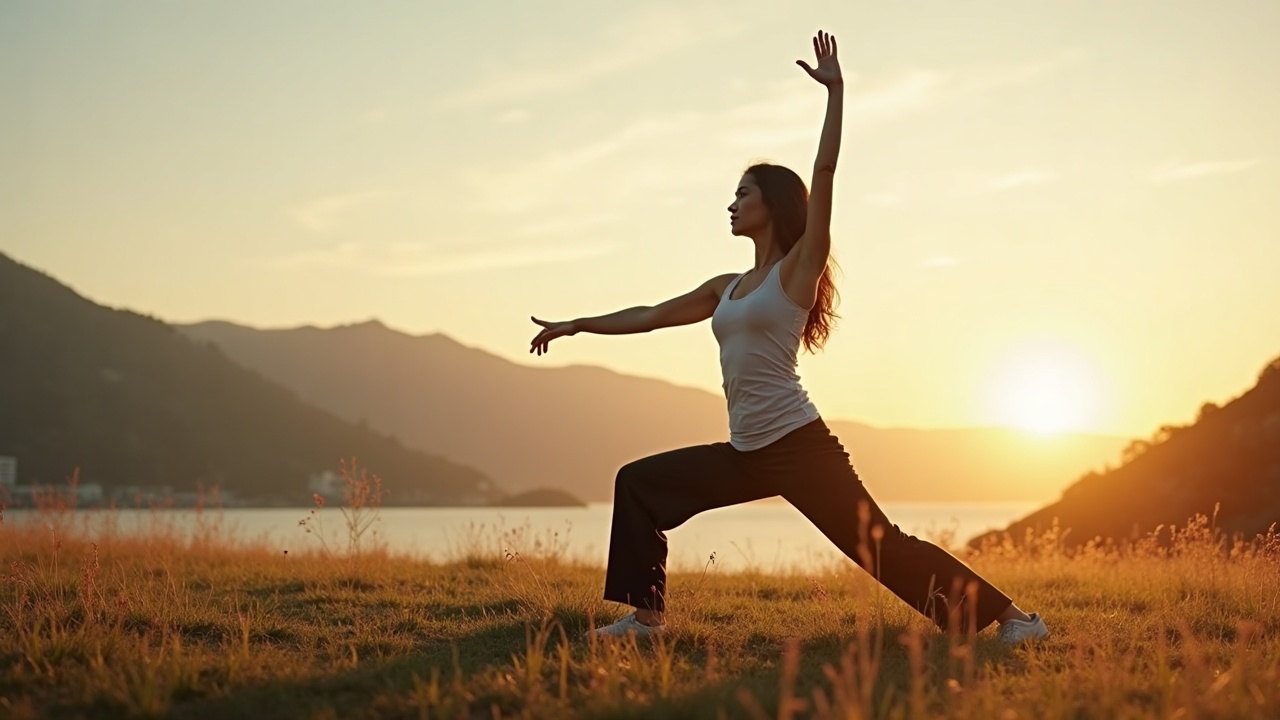
This is the hybrid that refuses to choose. Yoga and tai chi move the body at moderate intensity while folding in breath and attention — and the data rewards it. The g = −0.86 depression effect is the strongest single number, and yoga topped the cortisol-lowering rankings (PMC12786122; PMC12736704). It's no fringe practice either: 16.8% of U.S. Adults did yoga in 2022, and 57.4% of them fold meditation right into it ((https://www.cdc.gov/)).
Pros:
- Strongest depression effect (g = −0.86)
- Lowers cortisol the most of any movement type
- Combines symptom relief and stress-chemistry relief
- Gentle on the body; accessible across fitness levels
Cons:
- Anxiety effect (−0.38) trails aerobic exercise
- Classes and studios can cost more than a free run
- Slower to build than a single cardio session
- Quality of instruction varies widely
Pricing Breakdown
The stress-relief that works best is mostly free — the spending is optional convenience.
- Meditation apps: Calm and Headspace both run $69.99/year (about $5.83/month) as of 2025 (headspace.com, calm.com). Calm also sells a Lifetime Membership at $399.99 one-time. Free tiers and YouTube-guided sessions cost nothing.
- Exercise: $0 for walking, running, or body weight work. Gym memberships and home equipment are optional. App-based programs that delivered −0.44 effect sizes are often free or cheap.
- Mind-body: $0 for guided yoga videos at home; studio classes and tai chi instruction add per-class or membership fees that vary by location.
The broader meditation-app market has grown into a multi-billion-dollar category over the past few years, a sign of how mainstream this has become — but your nervous system can't tell the difference between a $69.99 app and a free 10-minute breathing video.
How We Evaluated
We compared these three approaches on the criteria a stressed, time-poor reader actually weighs: symptom effect size (how much anxiety and depression drop), cortisol impact (the body's measurable stress signal), onset speed, durability, and cost. All figures come from peer-reviewed meta-analyses and clinical trials, not vendor marketing. Our methodology for weighing clinical evidence and cost is detailed at /how-we-evaluate/. We did not test these interventions ourselves — every number traces to the published studies linked in Sources.
Verdict
Winner: mind-body movement (yoga or tai chi). It's the only option that wins on both scoreboards — the biggest depression effect (g = −0.86) and the deepest cortisol drop — which makes it the smartest single bet for most people managing ongoing stress.
Runner-up: exercise, for its unbeatable symptom effect sizes and same-day mood lift. The one scenario where the runner-up loses to meditation: when your stress is chronic and cortisol-driven — the kind that wakes you at 3 a.m. and leaves you wired-but-tired for months. There, a sweaty HIIT session can raise the very hormone you're fighting, and meditation or gentle yoga is the better tool. Match the method to the stress: if your problem is low mood, lace up and walk today; if it's 3 a.m. wired-but-tired stress, start with a 10-minute guided yoga or breathing session tonight. You'll get more from your 30 minutes than most people get from an hour.
Frequently Asked Questions
Is meditation or exercise better for stress?
It depends on your stress type. Exercise produces larger reductions in anxiety and depression symptoms (−0.42 to −0.43) and lifts mood faster, while meditation and yoga lower the stress hormone cortisol more. For chronic, sleep-disrupting stress, lean toward meditation or yoga.
Can exercise actually increase stress hormones?
Yes. Acute aerobic exercise raised salivary cortisol 30 minutes afterward, and HIIT raised it most of all in a network meta-analysis. Moderate aerobic work and yoga are the most cortisol-lowering, so intensity and type matter.
How long until meditation reduces stress?
Most clinical benefits show up around eight weeks of regular practice. The JAMA Internal Medicine data also shows effects fade somewhat by 3–6 months (anxiety from 0.38 to 0.22), so consistency matters more than intensity.
Is meditation as good as anxiety medication?
In one trial, mindfulness-based stress reduction was roughly non-inferior to the SSRI escitalopram for anxiety at the 8-week mark, though the drug worked faster early on. Meditation is a reasonable evidence-based option, but discuss any medication decisions with a clinician.
Found an error? At Canopy Press, accuracy comes first. If you spot a claim that needs checking, let us know at [email protected] — we'll verify and correct it immediately.
Sources
- JAMA Internal Medicine — Meditation Programs for Psychological Stress (Goya let al.)
- JAMA Network Open — Mindfulness Meditation vs Escitalopram for Anxiety
- British Journal of Sports Medicine — Exercise as Medicine umbrella review
- Optimal Exercise Modality and Dose for Cortisol Reduction (network meta-analysis)
- Stress biomarkers across three stress-reduction activities (educators)
- Mind-body exercise for depressed and anxious individuals (meta-analysis)
- Internet-based exercise intervention on depression and anxiety
- 20-year trends in meditation and yoga use, U.S. Adults (NHIS 2022)
- CDC National Center for Health Statistics
- Headspace subscriptions · (https://www.calm.com/)
Some links are affiliate links — we may earn a commission if you sign up through them, at no extra cost to you. We only recommend products we've actually evaluated. See our editorial standards for more.
The Canopy Brief
One financial insight. One career move. One tool worth knowing. Every Monday. 5 minutes. No fluff.
Free. No spam. Unsubscribe anytime.
Canopy Picks
Products we've vetted and recommend. We may earn a commission at no extra cost to you.
-
Optimum Nutrition Whey Protein
Gold standard whey — 24g protein per scoop, minimal fillers. -
Magnesium Glycinate
Doctor-recommended form for sleep quality and recovery. -
LectroFan White Noise Machine
Non-looping white noise for deeper, uninterrupted sleep. -
Why We Sleep by Matthew Walker
The science of sleep — and why it's your most important health tool.
Found an error? At Canopy Press, accuracy comes first. If you spot a claim that needs checking, let us know at [email protected] — we'll verify and correct it immediately.
Explore by topic