
How to Choose Between Savings Accounts and CDs in 2023
Your cash management strategy could be costing you hundreds of dollars a year. A $10,000 savings account earning 4.5% annually with 2.1% inflation yields a real return of 2.4%, while a 5.25% CD locks in a 3.15% real return. Over 20 years, this gap widens to $10,500 in gains for the CD. But the trade-off? Liquidity.
The Case for Savings Accounts: Flexibility in a Dynamic Market
Savings accounts are the Swiss Army knives of cash management. Unlike CDs, they offer near-instant access to your funds, making them ideal for short-term goals like an emergency fund or a down payment on a home. This flexibility is particularly valuable in a market where uncertainty looms large. Dubai Stock Market Plummets 4.6% Amid Global Uncertainty covers this in more detail.
The current VIX at 18.5 (Source: Yahoo Finance) reflects heightened market anxiety. If you’re worried about a potential stock market downturn, having liquid cash in a savings account provides a safety net. For example, the S&P 500’s 6,869.50 (Source: Yahoo Finance) has shown volatility, making liquidity a critical asset.
Interest Rates: A Double-Edged Sword
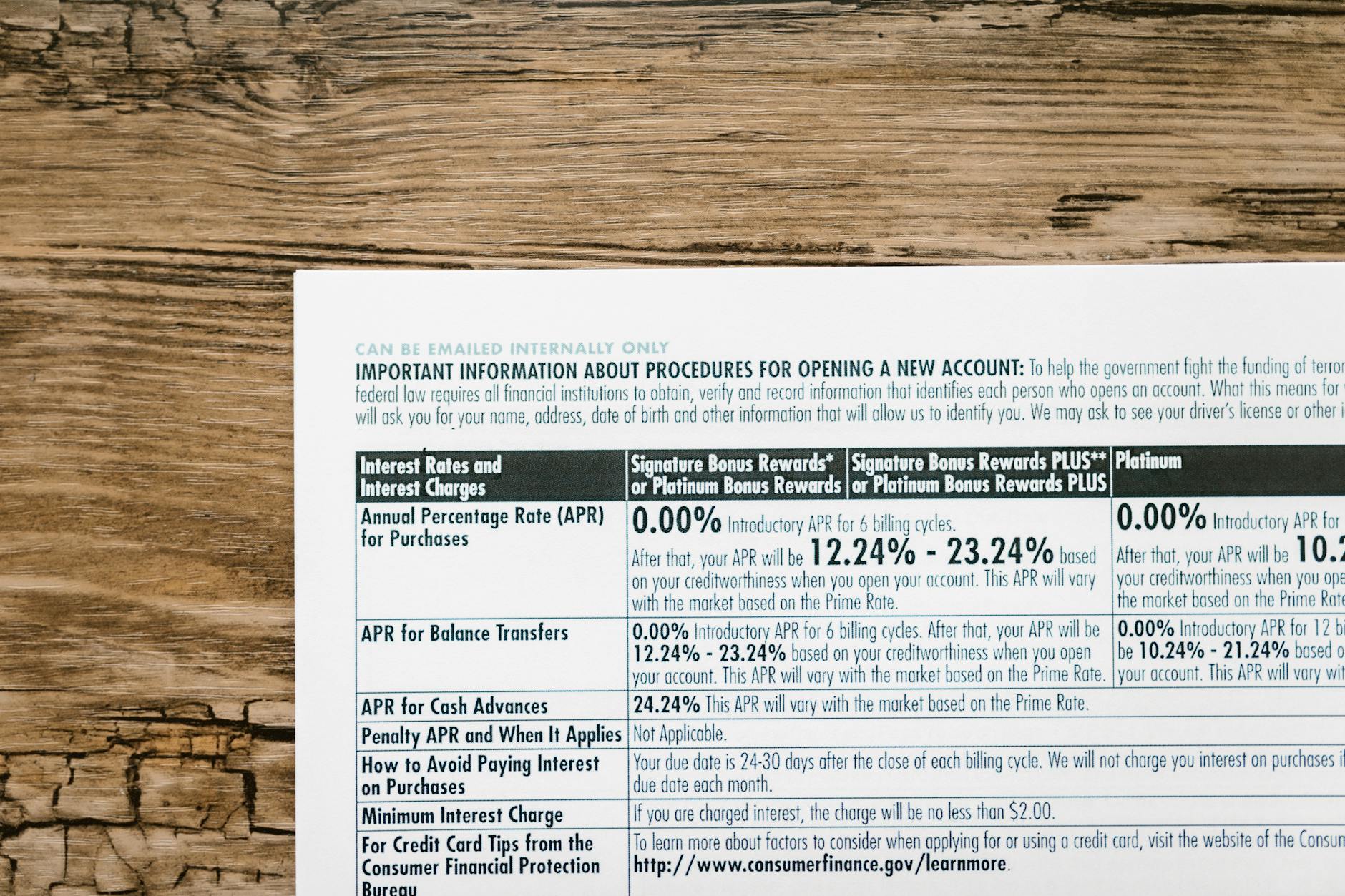
The current interest rate environment is a key determinant in the savings vs. CD debate. The Federal Funds Effective Rate at 3.64% (Source: FRED) has pushed banks to offer competitive rates on both savings accounts and CDs. However, the difference between these accounts lies in how they respond to rate changes.
Savings accounts are typically more volatile, with rates fluctuating in line with the Fed’s decisions. For example, a high-yield savings account might currently pay 4.5% annually, outperforming the 4.06% yield of the 10-year Treasury. This isn’t a coincidence—banks often set savings rates in line with federal funds rates, which are themselves tied to the Fed’s monetary policy.
CDs, on the other hand, offer a fixed rate for the term you choose. A 24-month CD might pay 5.25%, while a savings account might only offer 4.5%. This gap widens as the term length increases. A five-year CD could potentially offer rates closer to 5.5%, which is significantly higher than the 4.06% yield on the 10-year Treasury.
Liquidity: The Hidden Cost of Safety

Liquidity is often the deciding factor in choosing between a savings account and a CD. A savings account allows you to access your funds at any time, which is crucial for unexpected expenses or opportunities. For example, if you suddenly need to cover a medical bill or take advantage of a discount on a home purchase, a savings account provides the flexibility to act quickly.
CDs, by contrast, require you to commit your money for a specific period. If you need access to your funds before maturity, you’ll face penalties that can eat into your returns. For instance, a 12-month CD might penalize you by deducting three months’ interest if you withdraw early. This penalty is designed to compensate the bank for the lost opportunity cost of not being able to lend your money.
The current economic climate the importance of liquidity. With the VIX at 18.5, market volatility is higher than it has been in years. In such an environment, having liquid cash in a savings account can be a lifeline. However, if you’re confident in your financial stability and have no pressing needs, a CD could offer a better return.
Fees and Minimum Balances: The Unseen Factors

While interest rates and liquidity are the primary considerations, fees and minimum balances can also tip the scales. Savings accounts typically have low or no fees, especially if you meet the minimum balance requirements. For example, many high-yield savings accounts require a balance of $1,000 to $10,000 to qualify for their advertised rates. If you can meet these requirements, you’re likely to get the best returns.
CDs, on the other hand, often have higher minimum balances. A two-year CD might require a minimum deposit of $5,000, while a five-year CD could demand $10,000 or more (Source: Bankrate). These requirements can be a barrier for some investors, particularly those with limited cash reserves. However, they’re also a way for banks to offer higher rates to customers who are willing to lock their money away.
It’s also worth noting that some CDs have tiered rates based on the minimum balance. For instance, a $5,000 CD might pay 5.25%, while a $10,000 CD could offer 5.5%. This means that if you have more cash to park, you might be able to secure a better return. However, the trade-off is the loss of liquidity.
When to Choose a Savings Account vs. A CD
The decision between a savings account and a CD ultimately depends on your financial goals, risk tolerance, and time horizon. If you need access to your money within a year or two, a savings account is the better choice. Its flexibility allows you to respond to unexpected opportunities or expenses without penalty.
On the other hand, if you’re planning to hold your cash for a longer period—say, three to five years—a CD could provide a more substantial return. For example, a five-year CD might offer a rate that’s 0.5% higher than the current 10-year Treasury yield, which could be significant over time. However, this requires you to be comfortable with the idea of tying up your money for an extended period.
Another factor to consider is inflation. With the CPI at 2.1% (Source: FRED), the purchasing power of your cash is being eroded. A savings account might offer a better real return than a CD if rates are expected to rise. For instance, if the Fed raises rates in the next year, a savings account might see its rate increase, while a CD’s rate remains fixed. This is why some investors use savings accounts as a way to hedge against inflation, rather than as a long-term investment.
The Role of Inflation and Market Volatility
Inflation is a critical factor in the savings vs. CD debate. The current CPI inflation rate of 2.1% (Source: FRED) means that even if you’re earning 4.5% on a savings account, your real return is only 2.4%. This is still better than the 10-year Treasury yield, which would offer a real return of 1.96%. However, if inflation rises further, the gap between these options could narrow.
Market volatility also plays a role. The VIX at 18.5 indicates that investors are more cautious than they were a year ago. In such an environment, having a savings account provides a buffer against market downturns. If you’re worried about a potential stock market crash or a sharp drop in the S&P 500 (currently at 6,869.50, Source: Yahoo Finance), having liquid cash in a savings account can be a safety net06% yield on the 10-year Treasury. This is particularly relevant if you’re looking to park cash for a long-term goal, such as a retirement fund or a down payment on a home.
The Bottom Line: A Strategic Approach to Cash Management
In the current economic climate, the choice between a savings account and a CD is not a matter of picking the higher return—it’s about aligning your decision with your financial goals. Savings accounts offer flexibility and liquidity, making them ideal for short-term needs, while CDs provide higher returns for those willing to lock their money away.
The key is to evaluate your time horizon, risk tolerance, and financial needs. If you’re planning to hold your money for three to five years, a CD could offer a more substantial return., consider how inflation and market volatility might affect your decision.
Ultimately, the best approach is to diversify your cash management strategy. A mix of savings accounts and CDs can provide both liquidity and higher returns, depending on your priorities. In a rising rate environment, this balance is more important than ever. By understanding the strengths and limitations of each option, you can make informed decisions that align with your financial goals.