How Rising Rates Affect Your Savings and Debt
401(k) Returns: The Hidden Cost of Fees
Let’s look at the math. A $10,000 retirement account with a 2% annual fee loses $2,000 over 20 years. That’s 20% of your returns. In contrast, a 0.15% fee costs just $300. Over time, this gap grows. For example, a $10,000 investment growing at 7% annually becomes $38,697 with a 0.15% fee, but only $32,856 with a 2% fee.
Rate changes amplify this. If the Fed raises rates to 5% in 2025, bond yields rise, making CDs and Treasuries more attractive. But stock investors face risks. Higher rates can slow economic growth, pushing the S&P 500 down 5-10% in a year. A 2025 scenario with 5% rates could cut your 401(k) value by 5%, while 3% rates might only cost 2%.
The impact of fees is like a silent tax on your retirement savings. Imagine a 2% fee as a small, unnoticed drain that grows into a significant loss over decades. Even a 0.15% fee, which might seem trivial, can save you thousands. For instance, a $50,000 portfolio with a 2% fee loses $10,000 over 20 years, while a 0 This is the power of compounding, and it’s why low-cost index funds have become a cornerstone of retirement planning.
Tech vs. Utilities: Sector-Specific Risks
Not all industries react the same. Tech companies, which borrow heavily for R&D, struggle with rate hikes. A 1% rate increase could raise their borrowing costs by 20-30%, squeezing profits. Utilities, however, thrive in high-rate environments. Their stable revenue and dividend payouts make them safer bets. For example, NextEra Energy’s dividends are less sensitive to interest rates, offering steady returns.
Think of it like a seesaw. Tech companies are on one end, balancing on the edge of a rising interest rate curve, while utilities are on the other, grounded by their predictable cash flows. When the Fed raises rates, tech firms face higher debt servicing costs, which can eat into profits. For instance, a 1% rate hike might increase a tech company’s interest expenses by $100 million, forcing them to cut other spending or raise prices.
Utilities, on the other hand, benefit from higher rates because their long-term contracts with energy providers are fixed. This stability means their dividends are less affected by interest rate fluctuations. For example, NextEra Energy’s dividend yield has remained relatively stable even during periods of rising rates. This makes utilities a defensive investment, especially in a high-rate environment.
Credit Card Debt: The Silent Tax

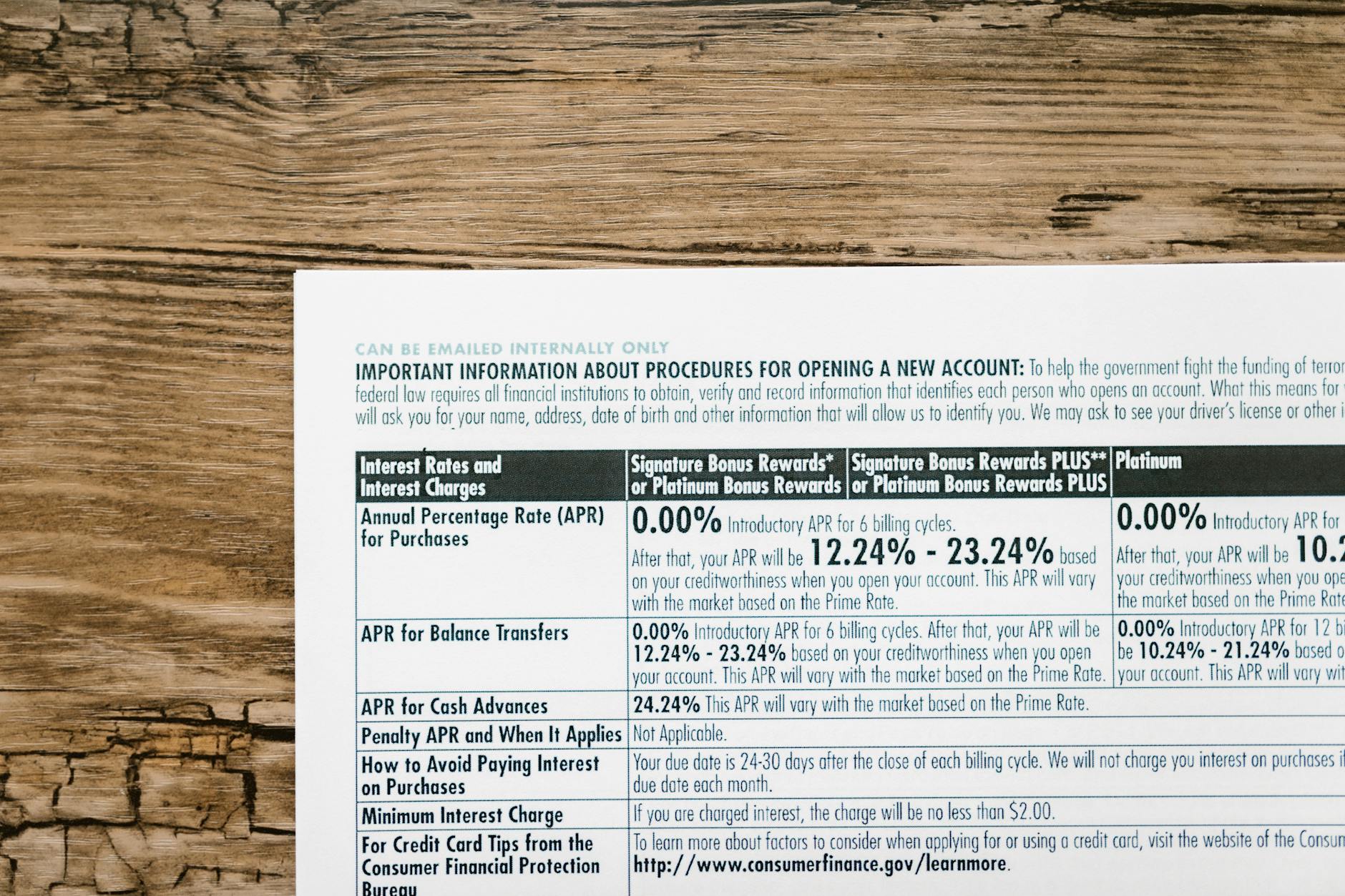
Credit card APRs have surged from 14% in 2022 to 18% in 2025 (Experian). A $5,000 balance at 18% costs $450 in interest annually. Paying 1% more on your debt could add $1,000 in fees over five years. The fix? Pay off high-interest debt first. Even a $50 monthly extra payment on a $2,000 balance at 18% saves $300 in interest.
Credit card debt is like a hidden tax on your spending. Every dollar you carry over the minimum payment accumulates interest, which compounds over time. For example, a $5,000 balance at 18% with a minimum payment of $100 would take over 20 years to pay off, with more than $5,000 in interest charges. This is why financial experts often recommend the “debt avalanche” method—prioritizing high-interest debt first to minimize total payments.
Consider the ripple effect of high APRs. A 1% increase in rates can add hundreds of dollars to your monthly payments. For instance, a $3,000 balance at 18% would cost $180 in interest annually, but at 19%, it jumps to $190. Over time, these small increases compound into significant financial strain. This is why it’s crucial to monitor your credit card statements and seek lower-interest alternatives, such as balance transfer offers or personal loans with better terms.
The Fed’s Tightrope: Balancing Inflation and Jobs
The Fed’s goal is to keep inflation under 2% while maintaining full employment. In 2024, core inflation dropped to 2.1% (FRED), but wage growth outpaced prices, creating upward pressure. The unemployment rate held at 4.3%, showing a strong labor market. This mix means the Fed is likely to keep rates steady, avoiding aggressive cuts that could fuel inflation.
The Fed’s decision-making process is like walking a tightrope. On one side is inflation, which can erode purchasing power and destabilize the economy. On the other is employment, which is critical for consumer spending and economic growth. When the Fed raises rates, it aims to cool inflation by making borrowing more expensive, which can slow spending and reduce demand. However, if rates are too high, it can stifle business investment and job creation. 2026 Investment Strategy: Navigating Inflation, Rates, covers this in more detail.
In 2024, the Fed faced a unique challenge: core inflation was near its target, but wage growth was outpacing prices. This created a situation where the Fed had to weigh the risks of inflation against the risks of a slowing economy. For example, if the Fed cuts rates too soon, it could reignite inflation, but if it keeps rates too high, it could lead to a recession. This balancing act is why the Fed often takes a cautious approach, adjusting rates incrementally rather than making drastic changes.
What to Do Now: Practical Steps
- Homebuyers: Lock in rates if you’re in a low-rate window. A $300k mortgage at 6% (March 2025) costs $599/month. Compare offers to find the best deal. – Investors: Shift toward high-yield bonds or dividend stocks. A 10-year Treasury bond yielding 4.5% (FRED) offers safety, while utilities like NextEra Energy provide steady returns. – Debtors: Pay down credit cards first. Prioritizing high-interest debt saves thousands in fees. How $300K by 65 Became a covers this in more detail.
Homebuyers face a unique challenge when rates are rising. A 1% increase in the mortgage rate can add hundreds of dollars to monthly payments. For example, a $300,000 mortgage at 6% costs $599/month, but at 7%, it jumps to $665. This is why it’s crucial to lock in rates when they’re low. However, timing is everything—waiting for rates to drop could mean missing out on a favorable opportunity.
Investors need to adjust their portfolios to reflect changing interest rates. High-yield bonds, such as corporate bonds or municipal bonds, can provide income while offering some protection against inflation. Dividend stocks, particularly in sectors like utilities or consumer staples, can offer steady returns even in a high-rate environment. For example, a 10-year Treasury bond yielding 4.5% (FRED) provides a safe, predictable return, making it a popular choice for risk-averse investors.
Debtors, especially those with high-interest credit card debt, should prioritize paying off these balances first. The “debt avalanche” method, which involves paying off the highest-interest debt first, can save thousands in interest charges. For instance, a $2,000 balance at 18% with a minimum payment of $50 would take over 10 years to pay off, but paying an extra $50 monthly could reduce that to just 5 years and save $300 in interest.
Your Action Plan
The Fed’s rate decisions shape your financial life. Whether you’re saving for retirement, buying a home, or managing debt, the right strategy can protect your money. Check your credit card APR, adjust your investment mix, and prioritize low-cost, diversified options. Start today—small steps add up.
Your financial future is shaped by the Fed’s decisions, but it’s not a passive process. By understanding how interest rates affect your savings, investments, and debt, you can take control of your financial health. For example, a 1% increase in rates might seem small, but it can cost you thousands in interest charges or reduce your retirement savings by 5%. This is why proactive financial planning is essential.
Consider the long-term impact of your choices. A 0.15% fee on your retirement account might seem trivial, but over decades, it can cost you tens of thousands. Similarly, a 1% increase in your credit card APR can add hundreds of dollars to your monthly payments. These are not just numbers—they’re the silent forces shaping your financial future.
By taking small, strategic steps—such as paying off high-interest debt, adjusting your investment portfolio, or locking in favorable mortgage rates—you can mitigate the risks of rising interest rates. The key is to stay informed, act decisively, and prioritize your financial goals. After all, the Fed’s decisions may be out of your control, but your response to them is entirely within your power.